A Krono challenge
US Civil Rights Movement Timeline: 17 Key Moments
In the app: US Civil Rights Movement
- Hard
- 17 cards
- 1868 to 1969
Studying here costs nothing. A scored attempt in the app costs a ticket.
Free in your browser, no account needed. A new one every day at noon, Stockholm time.
The struggle for civil rights in the United States was fought in courtrooms, churches, buses and streets, by thinkers, organisers and ordinary citizens with extraordinary resolve. To know this story is to see how protest, law and courage slowly prised open a nation’s conscience.
You will learn
- Place landmark protests beside decisive legal victories.
- Tell early thinkers from movement-era organisers and leaders.
- Distinguish desegregation, voting rights, and anti-discrimination milestones.
The timeline
Every card in chronological order. Hide the years to test yourself first.
1868
W.E.B. Du Bois
African American rights activist and co-founder of the NAACP
Image: Addison N. Scurlock, Public domain, via Wikimedia Commons
1913
Rosa Parks
American activist in the civil rights movement
Image: Unknown author, Public domain, via Wikimedia Commons
1925
Medgar Evers
American civil rights activist who was assassinated by a white supremacist in 1963
Image: Robert Knudsen, Public domain, via Wikimedia Commons
1940
John Lewis
One of the "Big Six" leaders of the civil rights movement in the US
Image: United States House of Representatives, Public domain, via Wikimedia Commons
1948
Executive Order 9981
Issued by President Harry Truman to end segregation in the US Armed Services
Image: National Archives and Records Administration. Office of Presidential…, Public domain, via Wikimedia Commons
1954
Brown v. Board of Education
Decision that held segregation in public education to be unconstitutional
Image: Robert S. Oakes, Public domain, via Wikimedia Commons
1955
Montgomery bus boycott
Rosa Parks refuses to give her seat to a white passenger on a bus in Montgomery, Alabama
1957
Southern Christian Leadership Conference
Civil rights organization closely associated with its first president, Martin Luther King Jr
Image: Unknown author or not provided, Public domain, via Wikimedia Commons
1960
Greensboro Sit-ins
Series of nonviolent protests that sparked similar protests all over the South
Image: Jack Moebes, Public domain, via Wikimedia Commons
1961
Freedom Riders
Civil rights activists who rode interstate buses into the segregated Southern United States
Image: Adam Jones from Kelowna, BC, Canada, CC BY-SA 2.0, via Wikimedia Commons
1963
16th Street Baptist Church bombing
White supremacist terrorist bombing killing four young girls
Image: Unknown author, Public domain, via Wikimedia Commons
1964
Civil Rights Act
Congress passes the Civil Rights Act which bans discrimination in employment and public places
Image: Cecil Stoughton, White House Press Office (WHPO), Public domain, via Wikimedia Commons
1965
Selma marches
Three protest marches from Selma, Alabama, to the state capital of Montgomery
Image: Federal Bureau of Investigation, Public domain, via Wikimedia Commons
1966
March Against Fear
James Meredith marches from Memphis to Jackson to encourage Black Mississippians to register to vote
Image: Darrell Blakely, Darrell.Blakely@gmail.com, CC BY 3.0, via Wikimedia Commons
1967
Thurgood Marshall
The first Black person appointed to the US Supreme Court
Image: Robert S. Oakes, Public domain, via Wikimedia Commons
1968
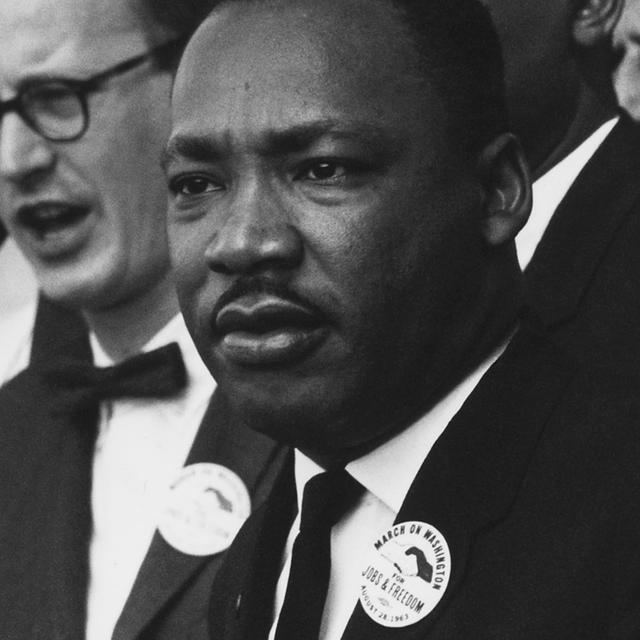
Martin Luther King, Jr
American Baptist minister and activist, one of the most prominent leaders in the civil rights movement
Image: Bernie Faingold, Public domain, via Wikimedia Commons
1969
Fred Hampton
American activist and deputy chairman of the national Black Panther Party
Image: Proviso East High School, Illinois, Public domain, via Wikimedia Commons


Now put it in order yourself
Studying here costs nothing. A scored attempt in the app costs a ticket.
Free in your browser, no account needed. A new one every day at noon, Stockholm time.